
The product arrived damaged. I’m sure most sellers in e-commerce have received such a message. I’ve repeatedly received such messages on Etsy — along with very unpleasant photos.
Experienced sellers probably already have their own strategies for resolving such situations. As for those who are just starting out, they might not have encountered this yet.
My friend and colleague — who also sells on Etsy and is just starting her journey in the international market — brought this topic to my attention. Olya contacted me with a question: what should she do if a buyer writes that the product arrived damaged? We talked and found several solutions — on how not to lose money and not to receive a bad review.
First — about my own experience
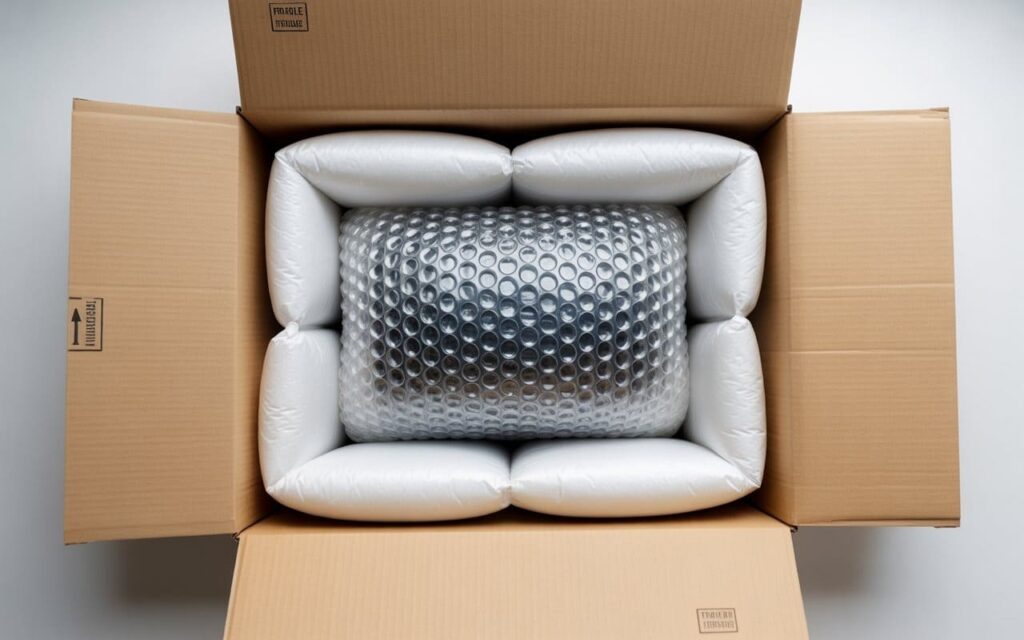
I also encounter similar problems. Not often, but it happens. Just recently, I received a message from a client saying they received damaged goods. Honestly, I have serious doubts that the product broke during transportation — we pack this part very securely. It seems that the customer just accidentally dropped it, but it’s impossible to prove.
I was, let’s say, lucky: I only resend a single piece with a pattern. If I had to resend the entire stand — that would already be a tangible cost for a second delivery.
I send reorders at my own expense. The logic is: if I agree to a refund – I will lose both the product and the money. And I have a decent margin, so even with a second shipment, I stay in profit, albeit small. Plus, I factor in such risks into the product price — a small percentage, about 2%, depending on the specific product’s cost. This covers situations where the product needs to be shipped again or the customer wants to return it.
Another example: due to cold weather, we faced a problem with paint. The customer received brackets with peeling paint. I shipped her new ones at my own expense. It’s unpleasant, I lost money — but I received a great review. It works when there’s turnover and risks are built into the price.
And what should those who are just starting do?
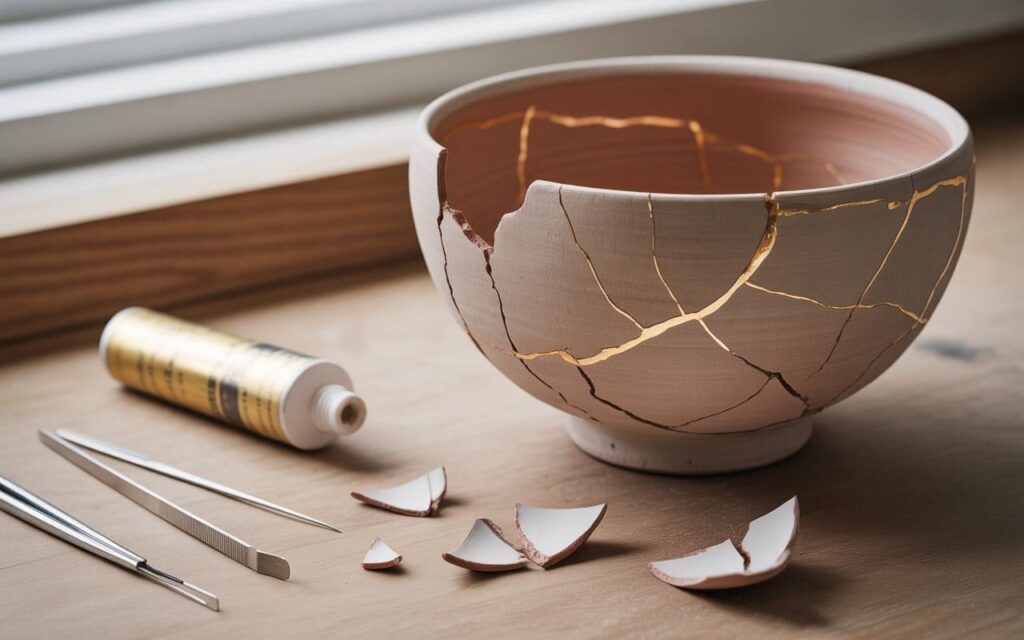
Here is exactly where Oli’s story begins. She sent an order to France, and the customer wrote that the item arrived damaged. What should we do? We started exploring options.
The first thing I always pay attention to is: are the damages real at all? There are scam schemes where “damages” in the photos are created using AI – it’s worth knowing about this. But in Oli’s case, we immediately ruled this out: she herself admitted that there were packaging issues with this order, and theoretically, the item could have been damaged during delivery. The obvious conclusion: packaging should be reliable and consider all features of the product. Unreliable packaging is the most common reason for damages during transportation.
The second option is to ask the customer to return the item back to Ukraine. Then we could verify that it’s not a scam, fix the item a little, and sell it again. The customer in this case would get a refund. But the problem is — for delivery from France. The item is heavy, the shipping is expensive, and in the end, it could cost more than the item itself. If the order was from the US — that’s a different matter, as they can send it to our warehouse in Miami, and the issue is resolved. But in our case, this option is not suitable. Clarification: if you have an expensive item — definitely request a return before issuing a refund.
The third option is a partial refund plus detailed instructions on how the customer can repair the item herself. The damages were not critical: something to glue or fix — quite feasible. We offered this. Much depends here on how you communicate with the customer: politeness, openness, willingness to offer different options, and continuous contact. The tone of the conversation can decide the situation. The buyer can always open a case or leave a negative review — and good communication is often more important than the actual solution.
But this option also didn’t work. The customer said she doesn’t want to bother with repairs and still wants a refund.
The last option — Etsy’s seller protection program
We took a risk because, in our opinion, the product fully met the criteria for this program, and we expected Etsy to reimburse the cost at their expense. One of the reasons covered by the program is exactly “item arrived damaged.” But an important nuance: this only works once a year, only for the first such order.
Solutions for resolving issues with damaged goods
| Method | When to apply | Pros |
|---|---|---|
| Reshipping | High margin product. | Retaining profit and customer loyalty. |
| Partial refund | Minor defects that can be fixed. | Cost savings on logistics. |
| Return request | Expensive item, suspicion of fraud. | Opportunity to repackage and resell. |
| Protection program | First damage case within a year, orders up to $250. | Etsy pays out of its own pocket. |
Summary: what to do if the product arrives damaged
The algorithm is as follows: first, check if the damages are genuine. Then — assess what is more profitable: resend the item, offer a partial refund, ask for the return of the item, or in the worst case, activate the seller protection program.
And the main thing — communication. How you communicate with customers is often more important than the decision itself. Calmness, openness, willingness to offer options — even a complex situation can end with a good review or at least without damage to reputation.
Doing business in the international market is not just about sales; it’s about systematic work, a cold head, and readiness to act strategically. So if you receive a message “the item arrived damaged” — do not panic. You already have a plan.
- What should a seller on Etsy do if the item arrives damaged?
First, verify if the damage is real. Then evaluate options: resend, offer a partial refund, or request a return. If the order meets the requirements, you can use Etsy’s seller protection program. - When is it better to issue a refund, and when should you resend the item?
If resending is cheaper than a full refund and you have margin — it is often more profitable. For expensive items, it’s better to request a return to minimize losses. It’s important to evaluate each situation individually. - How to avoid a negative review due to damaged goods?
Effective communication plays a key role. Prompt responses, politeness, and willingness to offer several options for resolving the issue help avoid negative feedback. The approach to the customer often determines the outcome.
