Brief Overview
Fulfillment in product business — is a system that encompasses receiving goods, storage, order processing, delivery, and returns. This article explains when a business needs full or partial fulfillment, why it affects costs, service quality, and scaling, and how to choose the right partner.
Who this article is for
- For online store owners who want to delegate logistics.
- For e-commerce businesses choosing between full and partial fulfillment.
- For companies scaling and looking to optimize order processing and returns.
Key Point
To understand whether your business needs fulfillment, you should evaluate: order volumes, warehouse processes, delivery speed, team workload, return rate, and readiness to delegate some operations to an external partner.
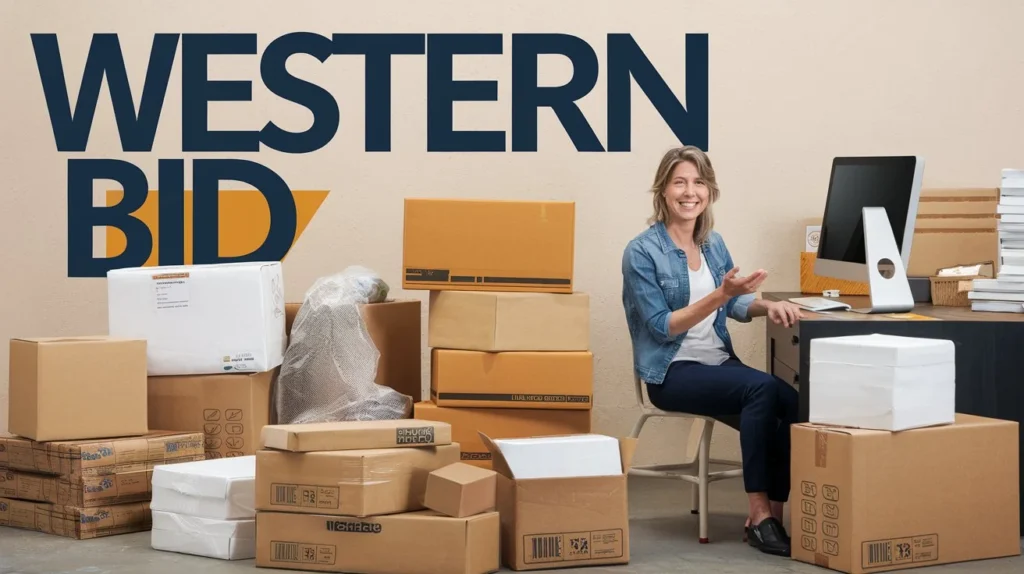
How to understand if you need fulfillment: step by step
- Assess your current order process: how much time is spent on packaging, shipping, and returns.
- Identify bottlenecks: warehouse, order processing, delivery, or return service.
- Determine what you want to outsource: everything completely or only specific stages.
- Compare full and partial fulfillment: depending on your business scale and level of control needed.
- Evaluate sales volumes and seasonality: this influences the feasibility of delegating logistics.
- Check provider criteria: cost, location, technology, experience, reviews, quality of service.
- Calculate the impact on your business: time savings, cost reduction, delivery speed, and growth opportunities.
What is included in fulfillment for the product business
| Stage | Includes | Why it matters |
|---|---|---|
| Receiving products | Receiving goods from suppliers and quality check | Provides control over the incoming product flow |
| Storage | Storing goods in the warehouse | Ensures quick access to orders |
| Order processing | Picking, packing, and preparing for shipment | Affects speed and quality of service |
| Delivery | Organizing shipment to customers | Builds the customer experience after purchase |
| Returns | Receiving and processing returned goods | Reduces chaos in service and increases customer loyalty |
Why is fulfillment important for your store
Fulfillment services play an important role in the operation of an online store for the following reasons:
- Time savings
Automation and delegation of fulfillment tasks allow you to focus on other aspects of your business. - Cost reduction
Optimizing warehouse and logistics processes helps reduce expenses. - Increasing customer satisfaction
Fast and reliable delivery improves customers’ shopping experience. - Flexibility
The ability to scale your business without the need to increase staff and warehouse space.
Fulfillment services ensure smooth operation of your online store, helping to improve service quality and increase profits.
Types of fulfillment services
Full fulfillment
Full fulfillment covers all stages, from receiving goods at the warehouse to delivering them to customers. It is an excellent choice for beginners in business who want to focus on growth, leaving logistics to professionals. When providing full fulfillment, Western Bid takes on:
- Receiving and storing goods.
- Order processing.
- Packaging and labeling.
- Delivery to customers.
- Handling returns and exchanges.
This approach saves your time and resources, ensuring a high level of customer service.
Partial fulfillment
Partial fulfillment offers flexibility, allowing you to choose only the services you need. For example, you can use warehousing and order processing but handle delivery yourself. This is suitable for those who want to control certain aspects of their business but need assistance with other tasks.
Examples of partial fulfillment services:
- Goods storage.
- Packaging and labeling.
- Return processing.
Personal experience
Our clients choose full fulfillment in 90% of cases. This allows them to focus on marketing and development without worrying about logistics.
The choice between full and partial fulfillment depends on your needs and goals. Both options have their advantages, and it is important to choose the one that best suits your business.
Key Rules for Choosing Fulfillment
- Don’t choose a provider based solely on price — consider the full service.
- Warehouse location matters for speed and logistics.
- Technology is just as important as the warehouse — tracking and inventory control are critical.
- Experience in your niche reduces errors.
- Returns and quality of service are part of fulfillment, not an add-on.
Assessment of your business needs
First of all, determine exactly what you need. Here are some questions to help:
- What tasks do you want to outsource?
- Do you need help with processing orders, storing products, packaging and delivery, or processing returns?
- What are your sales volumes and seasonal fluctuations?
Understanding these points will help you determine whether Western Bid’s services are suitable for you.
Important selection criteria
Now let’s look at the key points to consider when choosing fulfillment services:
Cost
Compare the prices of different providers, not forgetting about hidden costs.
Location
Check where the warehouses are located and how convenient they are for your logistics.
Technologies
Find out which systems and technologies are used for inventory management and order tracking.
Experience
Assess Western Bid’s experience in your niche and with your sales volumes.
Reviews
Read reviews from other clients and learn about our company’s reputation in the market.
Service Quality
Find out how the provider ensures the quality of customer service and return processing.
These criteria will help you choose fulfillment services that best meet your business needs and ensure its efficient operation.
Choosing fulfillment services is an important step for any business. Take the time to evaluate your needs and compare providers. This will help you find a partner who will work for you and help your business grow.
Why choose fulfillment services
Fulfillment services can be a real lifesaver for your business, especially if you’re just starting out in the world of e-commerce.
Saving time and resources
With fulfillment services, you can forget about the routine associated with warehouse management, packaging, and shipping orders. This means you will have more time to develop your business and attract new clients.
Time (hours) | Task | Without fulfillment | With fulfillment |
|---|---|---|---|
10 | Packaging products | 10 | 0 |
5 | Order shipping | 5 | 0 |
8 | Warehouse management | 8 | 0 |
Improving customer service
Fulfillment providers ensure fast and reliable delivery, making your customers happy and increasing the likelihood of repeat purchases.
Indicator | Without fulfillment | With fulfillment |
|---|---|---|
Delivery time (days) | 5-7 | 1-3 |
Order errors (%) | 5 | 1 |
Customer satisfaction level (%) | 70 | 90 |
Fulfillment services help optimize business processes and improve the customer experience, ultimately contributing to the growth of your store.
Questions to ask when choosing a fulfillment service
When choosing fulfillment services for your business, it’s important to ask the right questions to ensure that the provider is the right fit for you. Let’s go over the key points to discuss with potential partners.
Logistics and Storage
- Storage capacity and conditions
How much space is available in the warehouse for your goods? What are the storage conditions, including temperature and humidity? - Warehouse Management System (WMS)
How does the provider manage inventory? Are the processes automated? - Warehouse location
Where are the warehouses located? Is their location convenient for quick delivery to your customers? - Security
What security measures are in place at the warehouse? Is there video surveillance and security personnel?
Terms of processing and delivery of orders
- Order processing time
How long does it take to process an order from the moment it is received to shipment? - Delivery methods
Which courier services and delivery methods are available? Is express delivery possible? - Delivery cost
How is the delivery cost calculated? Are there discounts for large volumes of shipments? - Order tracking
Can orders be tracked in real-time? - Returns and exchanges
How is the process of returning and exchanging goods organized? What are the conditions and timeframes for returns?
By asking these questions, you will better understand how well the fulfillment provider meets the needs of your business and your customers’ expectations.
Tips for improving fulfillment
Process Automation
Fulfillment automation can truly upgrade your business. Technologies and software for automating various fulfillment stages help speed up order processing, reduce errors, and increase overall productivity.
Here’s what to automate:
- Inventory Management
Automatic inventory tracking systems will always let you know how many goods are in stock. - Order Processing
Automating order processing allows for quick and accurate fulfillment of customer orders. - Logistics
Logistics management software optimizes delivery routes and reduces costs.
Monitoring and analysis of the fulfillment provider's work
To keep customers satisfied and your business thriving, it is important to constantly monitor the performance of your fulfillment provider. This includes evaluating key metrics and identifying opportunities for improvement.
Here’s what to track:
Order fulfillment time
Average time from receiving an order to its shipment
Order accuracy
Percentage of orders completed without errors
Delivery time
Average time to deliver orders to customers
Return rate
Percentage of goods returned by customers
Regular analysis of these data will help identify problems and quickly make improvements to the fulfillment process.
Fulfillment in product business is not just a warehouse and boxes. It is the store’s operating system, which determines the speed of order processing, customer satisfaction, and the ability of the business to scale without chaos.
Want to understand which fulfillment format is suitable for your business?
Start by assessing your processes: warehouse, packaging, shipping, returns, and seasonal loads. This is the easiest way to understand whether to delegate logistics completely or partially.
